How I Tamed My Blood Pressure with Daily Moves That Actually Stick
High blood pressure creeps in quietly, but its impact is loud. I learned this the hard way. After my doctor’s warning, I didn’t want pills to be my only answer. I explored exercise—not intense gym sessions, but consistent, doable movements woven into real life. What changed wasn’t just my numbers, but how I felt daily. This is a practical look at how structured, sustainable exercise can become your ally in managing blood pressure—no hype, just real steps that work. Always consult your doctor, though—this journey complements care, doesn’t replace it.
The Silent Alarm: Recognizing the Real Risk of High Blood Pressure
High blood pressure, also known as hypertension, is a condition where the force of blood pushing against the walls of the arteries is consistently too high. It’s often called the "silent killer" because it typically shows no symptoms, yet over time it can quietly damage the heart, blood vessels, and other vital organs. Many people live with high blood pressure for years without knowing it, until a serious event like a stroke or heart attack reveals its presence.
The risks associated with untreated high blood pressure are well-documented. The heart must work harder to pump blood, which can lead to thickening of the heart muscle and eventually heart failure. Blood vessels may lose their elasticity, increasing the likelihood of blockages or ruptures in the brain—common causes of stroke. The kidneys, which rely on healthy blood flow to filter waste, can also suffer long-term damage. These outcomes are not inevitable, but they underscore why early recognition and management are essential.
Several factors contribute to the development of high blood pressure, many of which are influenced by lifestyle. Age is a natural risk factor—blood vessels tend to stiffen over time—but it’s not the only one. A diet high in sodium, excessive alcohol consumption, chronic stress, and lack of physical activity all play significant roles. Family history can increase susceptibility, but lifestyle choices often determine whether genetic risks become reality. The good news is that even small, consistent changes can shift the trajectory toward better health.
One of the most empowering truths about high blood pressure is that it responds to behavioral adjustments. While medication is necessary for some, many individuals can make meaningful improvements through non-pharmaceutical strategies. Among these, regular physical activity stands out as one of the most effective and accessible tools. Unlike quick fixes, exercise offers cumulative benefits that extend beyond blood pressure control, enhancing overall energy, mood, and quality of life. The key lies not in dramatic overhauls, but in sustainable habits that become part of daily living.
Why Exercise? Connecting Movement to Blood Pressure Control
Physical activity is one of the most powerful allies in managing blood pressure, and the science behind it is clear. When you move your body regularly, your cardiovascular system becomes more efficient. The heart doesn’t have to work as hard to pump blood, and blood vessels maintain better flexibility. Over time, this translates into lower resting blood pressure and improved circulation. Research consistently shows that people who engage in moderate-intensity aerobic exercise can experience reductions in systolic blood pressure—often by 5 to 8 millimeters of mercury (mm Hg)—comparable to some medications.
At the physiological level, exercise helps in several ways. It stimulates the release of nitric oxide, a molecule that helps blood vessels relax and widen, reducing resistance to blood flow. Regular movement also improves the function of the endothelium, the inner lining of blood vessels, which plays a crucial role in regulating blood pressure. Additionally, physical activity helps manage body weight, reduces inflammation, and lowers stress hormones like cortisol—all of which contribute to healthier blood pressure levels.
It’s important to understand that you don’t need to run marathons or lift heavy weights to see benefits. The type of exercise that matters most is consistent, rhythmic activity that elevates the heart rate just enough to strengthen the cardiovascular system without causing strain. Brisk walking, cycling at a steady pace, swimming, or even dancing around the house can be effective. The goal is not intensity, but regularity. Studies show that even short bouts of movement, when repeated daily, lead to measurable improvements in vascular health.
Another benefit of exercise is its role in reducing insulin resistance, a condition linked to higher blood pressure and increased risk of type 2 diabetes. When muscles are active, they become more sensitive to insulin, allowing glucose to be used more efficiently. This metabolic improvement supports not only blood pressure control but also overall metabolic health. For women in midlife, when hormonal changes can influence weight distribution and cardiovascular risk, these benefits are especially valuable. Exercise becomes not just a tool for lowering numbers, but a form of daily resilience.
Building a System: The Framework for Sustainable Exercise Habits
One of the biggest challenges people face is turning good intentions into lasting habits. Many start with enthusiasm, only to lose momentum when life gets busy or results feel slow. The solution isn’t more willpower—it’s building a system. A system is a set of repeatable, low-effort practices that make exercise a natural part of your day, rather than a chore you have to force yourself to do. It shifts the focus from motivation to structure, from sporadic effort to consistency.
A successful exercise system rests on four pillars: frequency, duration, progression, and recovery. Frequency refers to how often you move—aiming for most days of the week, even if sessions are short. Duration is about how long you stay active; starting with 10 to 15 minutes and gradually building toward 30 minutes most days is a realistic goal. Progression means gently increasing the challenge over time, whether by walking faster, adding resistance, or extending time. Recovery includes rest days and activities like stretching or light walking that support muscle repair and prevent burnout.
Integrating movement into existing routines increases the likelihood of sticking with it. For example, taking a walk after dinner ties exercise to a daily habit, making it easier to remember and act on. Pairing physical activity with something enjoyable—like listening to a favorite podcast or calling a friend—can also boost adherence. The brain begins to associate movement with positive experiences, reinforcing the behavior naturally.
Tracking progress can be helpful, but it doesn’t require complex apps or detailed logs. A simple checkmark on a calendar or a note in a journal can provide a sense of accomplishment. The goal is awareness, not perfection. Seeing a streak of activity can be motivating, but missing a day shouldn’t trigger guilt. What matters is returning to the routine without self-criticism. A sustainable system allows for flexibility, recognizing that life sometimes interrupts even the best plans. The measure of success isn’t daily consistency, but long-term resilience.
The Movement Menu: Practical Exercises That Fit Real Life
Not all exercise looks the same, and that’s a good thing. The best movement is the kind you can do regularly without strain or discomfort. The key is finding activities that match your current fitness level, physical comfort, and personal preferences. Variety also helps prevent boredom and reduces the risk of overuse injuries. Below are several accessible, research-backed options that support cardiovascular health and can be adapted to fit different lifestyles.
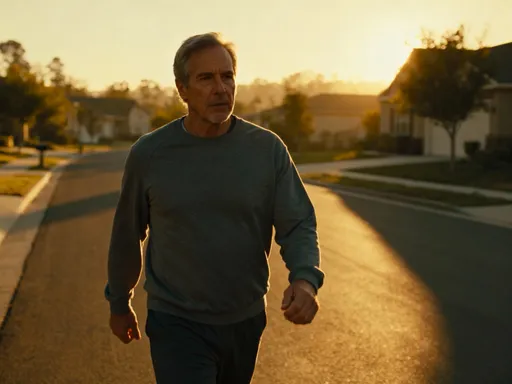
Brisk walking is one of the most effective and widely recommended forms of exercise for lowering blood pressure. It requires no special equipment, can be done almost anywhere, and is gentle on the joints. Walking at a pace where you can talk but not sing elevates the heart rate just enough to build endurance. A 30-minute walk most days of the week has been shown to produce significant improvements in blood pressure over time. To increase benefits, consider adding short bursts of faster walking or walking on slight inclines.
Cycling, whether outdoors or on a stationary bike, is another excellent option. It provides aerobic benefits while minimizing impact on the knees and hips. For those with joint concerns, cycling can be a comfortable alternative to walking. Even 20 minutes of moderate pedaling can contribute to better cardiovascular function. Swimming offers similar advantages, with the added benefit of buoyancy, which reduces stress on the body. The rhythmic breathing involved in swimming may also support relaxation and blood pressure regulation.
For those who prefer indoor activities, bodyweight exercises like wall push-ups, seated leg lifts, or standing squats can build strength and support circulation. These movements don’t require equipment and can be done in small spaces. Light resistance training, using bands or light dumbbells, helps improve muscle tone and metabolic rate, both of which support heart health. The American Heart Association recommends including muscle-strengthening activities at least two days per week as part of a balanced routine.
A sample weekly structure might include 30 minutes of brisk walking five days a week, a 20-minute cycling session on one weekend day, and a 15-minute bodyweight routine twice a week. This mix supports both endurance and strength without overwhelming the schedule. For those with mobility limitations, chair-based exercises or water aerobics can provide safe, effective alternatives. The goal is not to follow a rigid plan, but to create a flexible framework that adapts to your life.
Starting Small: How to Begin Without Overwhelm
One of the most common barriers to starting an exercise routine is the belief that it has to be big, intense, or time-consuming. Many women in their 30s to 50s juggle work, family, and household responsibilities, making the idea of adding another task feel overwhelming. The truth is, you don’t need to do much to begin reaping benefits. Starting with just 10 minutes a day can be enough to initiate positive changes in blood pressure and energy levels.
The key is to redefine what "counts" as exercise. Taking the stairs instead of the elevator, parking farther from the store entrance, or doing a few stretches while watching the evening news—all of these small actions contribute to your daily movement total. The goal is to increase non-exercise activity thermogenesis (NEAT), the energy you burn through everyday movement. Over time, these micro-efforts add up, improving circulation and supporting metabolic health.
Another effective strategy is to attach movement to an existing habit. For instance, committing to a five-minute walk after each meal creates a natural trigger. Research shows that even short walks after eating can help regulate blood sugar and support cardiovascular function. Similarly, using phone calls as an opportunity to walk around the house or backyard turns idle time into active time. Home workout videos, especially those designed for beginners, can provide structure without the pressure of a gym environment.
Early rewards often appear before any changes in blood pressure numbers. Many people report better sleep, improved mood, and increased energy within just a few weeks of starting a regular movement practice. These benefits serve as powerful reinforcement, making it easier to keep going. The focus should be on how you feel, not just what the scale or monitor says. Celebrating small wins—like completing a week of daily walks or noticing you can climb stairs without getting winded—builds confidence and momentum.
Staying on Track: Overcoming Plateaus and Motivation Dips
Even with the best intentions, motivation can fade. Life gets busy, the weather turns cold, or a bout of fatigue makes it hard to get started. These moments are normal, not failures. The difference between those who maintain a routine and those who don’t often comes down to how they respond to setbacks. The goal isn’t perfection, but persistence. Returning to movement after a break is a sign of strength, not weakness.
Boredom is a common challenge. Doing the same walk every day can become monotonous. One solution is to introduce variety—changing routes, trying a new activity, or listening to different music or audiobooks during exercise. Seasonal shifts can also inspire change: swimming in the summer, snowshoeing in the winter, or indoor dance videos during rainy months. Involving a friend or family member can add social enjoyment and accountability, making it more likely you’ll stick with it.
Environmental cues play a powerful role in habit formation. Laying out walking shoes the night before, setting a phone reminder, or keeping resistance bands near your favorite chair can serve as visual prompts. These small nudges reduce the mental effort required to start. Similarly, scheduling exercise at the same time each day—such as right after work or before breakfast—helps anchor it in your routine.
Self-compassion is essential. If you miss a day—or several—don’t interpret it as failure. Instead, gently recommit without judgment. Ask yourself what got in the way and how you can adjust. Maybe you need shorter sessions, a different time of day, or more rest. Flexibility is part of sustainability. The long-term goal is to build a relationship with movement that feels supportive, not punitive. When exercise becomes a form of self-care rather than a chore, it’s far more likely to last.
Beyond the Workout: How Lifestyle Supports the System
Exercise is a powerful tool, but it doesn’t operate in isolation. Its effectiveness is amplified when combined with other healthy lifestyle choices. Blood pressure is influenced by a network of factors—sleep, hydration, stress, and nutrition—all of which interact with physical activity. Addressing these areas creates a stronger foundation for lasting improvement.
Sleep is a critical yet often overlooked component. Poor or insufficient sleep has been linked to higher blood pressure. When you’re sleep-deprived, the body produces more stress hormones, which can constrict blood vessels and raise heart rate. Aim for 7 to 8 hours of quality sleep per night. Establishing a consistent bedtime routine, limiting screen time before bed, and creating a calm sleeping environment can all support better rest.
Hydration also plays a role. Dehydration can cause the body to retain sodium and reduce blood volume, both of which may contribute to elevated blood pressure. Drinking enough water throughout the day—especially if you’re active—helps maintain proper fluid balance. Herbal teas, broths, and water-rich fruits and vegetables also contribute to hydration.
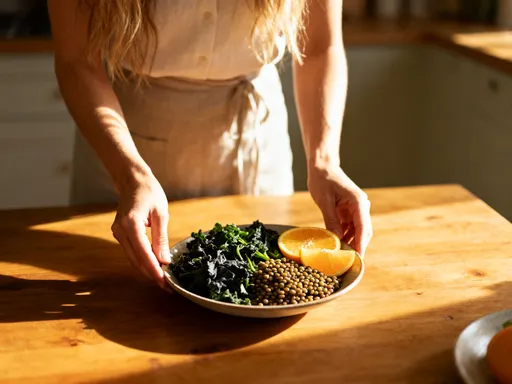
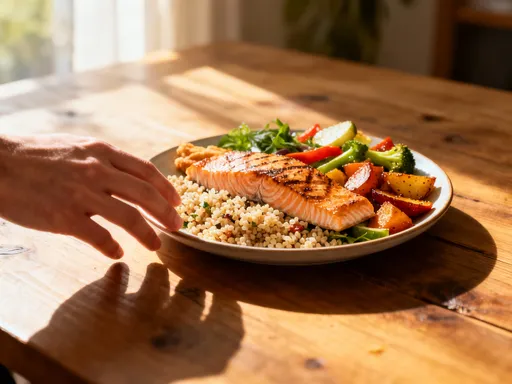
Stress management is equally important. Chronic stress keeps the body in a heightened state, increasing heart rate and blood pressure over time. Mindful breathing, meditation, or simply spending time in nature can activate the parasympathetic nervous system, promoting relaxation. Even a few minutes of deep breathing each day can make a difference. Choosing whole, minimally processed foods rich in potassium, magnesium, and fiber—such as leafy greens, bananas, beans, and whole grains—further supports healthy blood pressure levels.
These elements don’t need to be perfected overnight. Small, consistent choices—drinking more water, adding a serving of vegetables, taking five deep breaths before bed—compound over time. When combined with regular movement, they create a holistic approach to health that goes beyond numbers on a monitor. The goal is not just to manage blood pressure, but to cultivate a lifestyle that supports vitality, calm, and long-term well-being.
Managing blood pressure isn’t about one dramatic fix—it’s about daily choices that add up. Exercise, when approached as a steady, personal system, becomes more than routine; it becomes a form of self-care that pays off in vitality and peace of mind. The goal isn’t perfection, but progress. With medical guidance and a commitment to movement you can sustain, this journey isn’t just about lowering numbers—it’s about living better, one step at a time.