What I Learned About Women’s Health Through Smart Food Pairing
For years, I struggled with low energy and hormonal imbalances, thinking I was eating “healthy.” But it wasn’t until I dug into the science of dietary combinations that I saw real changes. It turns out, what you eat together matters as much as what you eat alone. This isn’t about fad diets—it’s about how foods interact in your body, especially for women’s unique physiology. While many focus on eliminating processed foods or counting calories, few consider how pairing certain nutrients can dramatically enhance absorption, balance hormones, and support long-term vitality. The truth is, even the most nutrient-dense ingredients may fall short if not combined wisely. Understanding food synergy—the way nutrients work together—can transform the way women approach meals, turning everyday eating into a form of gentle, daily self-care rooted in science.
The Hidden Problem: Why “Healthy Eating” Isn’t Enough
Many women today follow what they believe to be clean, balanced diets—rich in greens, lean proteins, and whole grains—yet still experience persistent fatigue, irregular cycles, mood fluctuations, and unexplained weight changes. These symptoms are often dismissed as normal parts of life, but they can signal deeper imbalances influenced by more than just food choices. The missing piece? How those foods are combined. A salad packed with spinach, kale, and lentils may seem like nutritional perfection, but without the right companions, key nutrients may never be fully absorbed. For example, non-heme iron from plant sources like spinach is poorly absorbed unless paired with vitamin C-rich foods such as bell peppers or citrus. Without this pairing, even a diet full of so-called superfoods may leave the body deficient in essential minerals.
The issue lies in the common misconception that individual foods operate in isolation. In reality, digestion and nutrient utilization are complex processes shaped by interactions between compounds. What enhances one nutrient might inhibit another. Phytates in whole grains and legumes, while beneficial in moderation, can bind to minerals like iron and zinc, reducing their availability. Oxalates in certain leafy greens may limit calcium absorption. These natural compounds aren’t harmful, but they underscore the importance of strategic pairing to maximize benefits. Simply adding lemon juice to a spinach salad or serving beans with tomatoes can shift a meal from marginally nutritious to highly effective.
Scientific research supports this concept of food synergy. Studies have shown that combining specific foods leads to better health outcomes than consuming them separately. For women, whose bodies undergo monthly hormonal shifts and face increased demands during reproductive stages, optimizing nutrient delivery is not a luxury—it’s a necessity. Fatigue, hair thinning, and brittle nails are not inevitable signs of aging or stress; they may reflect suboptimal nutrient uptake due to overlooked pairings. Recognizing this empowers women to make small, informed adjustments rather than drastic overhauls. It shifts the focus from restriction to enhancement, allowing nutrition to become an act of alignment with the body’s natural rhythms.
The Science Behind Food Pairing and Women’s Physiology
To understand why food combinations matter so deeply for women, it’s essential to explore how the female body processes nutrients differently than men’s. Hormonal regulation, metabolic rate, and gut function are all influenced by estrogen, progesterone, insulin, and cortisol—all of which respond directly to dietary input. Unlike a one-size-fits-all approach to nutrition, food pairing takes into account these dynamic systems, offering a tailored strategy that supports hormonal equilibrium and long-term wellness. For instance, blood sugar stability plays a critical role in managing cortisol and insulin levels, both of which affect energy, weight, and emotional balance. Consuming carbohydrates without protein or fat can lead to rapid glucose spikes and crashes, triggering irritability and cravings. By pairing complex carbs with adequate protein and healthy fats, women can maintain steady energy throughout the day.
Estrogen metabolism is another area where food synergy proves vital. The liver breaks down excess estrogen through a process called glucuronidation, which relies heavily on fiber intake. Without sufficient dietary fiber, estrogen can be reabsorbed into the bloodstream, contributing to conditions like estrogen dominance—a factor in PMS, fibroids, and certain hormone-related discomforts. Cruciferous vegetables such as broccoli and Brussels sprouts contain compounds like indole-3-carbinol that support healthy estrogen detoxification pathways. When combined with adequate hydration and gut-friendly fibers, these foods create a synergistic effect that promotes hormonal clarity.
Micronutrient absorption also varies across life stages. During menstruation, iron needs increase significantly, particularly for those with heavy periods. Pregnancy demands higher intakes of folate, choline, and omega-3 fatty acids, all of which function best when supported by co-nutrients. In perimenopause and menopause, bone density preservation becomes a priority, making calcium and vitamin D pairing crucial. At each phase, the body’s requirements evolve, and so should eating strategies. Rather than relying on supplements alone, smart food combinations offer a natural, sustainable way to meet changing needs. Research published in the American Journal of Clinical Nutrition emphasizes that whole-food-based nutrient delivery results in better retention and fewer side effects compared to isolated supplements.
Additionally, gut health plays a foundational role in nutrient assimilation and immune function. The gut microbiome influences everything from mood regulation to inflammation control, and its composition is shaped largely by diet. Prebiotic fibers feed beneficial bacteria, while probiotic-rich foods introduce them. Combining both types—such as pairing garlic (prebiotic) with yogurt (probiotic)—creates a powerful tandem that strengthens digestive resilience. Since up to 70% of the immune system resides in the gut, supporting microbial balance through intelligent food choices has far-reaching benefits. For women navigating hormonal transitions or chronic fatigue, this internal ecosystem becomes a cornerstone of lasting health.
Game-Changing Combos: 5 Science-Backed Pairings That Work
Understanding the principles of food synergy leads naturally to practical applications. Certain combinations have been studied extensively and consistently demonstrate measurable improvements in nutrient status and overall well-being. These pairings are not based on trends or anecdotal claims but on physiological evidence showing how nutrients enhance each other’s activity. Incorporating them into daily meals requires minimal effort but yields significant returns, especially for women managing fluctuating energy, hormonal shifts, or long-term wellness goals.
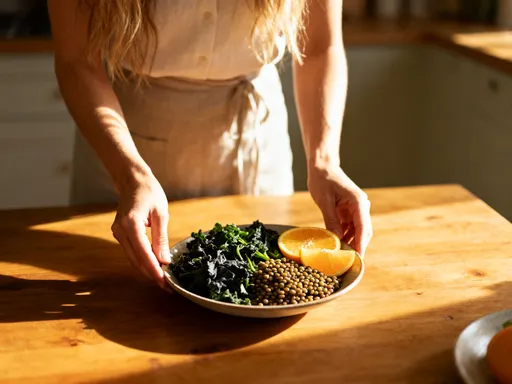
The first and perhaps most impactful pairing involves legumes and vitamin C-rich foods to boost iron absorption. Plant-based iron (non-heme iron) found in lentils, chickpeas, and black beans is less readily absorbed than heme iron from animal sources. However, consuming these foods alongside vitamin C-rich options like oranges, strawberries, red bell peppers, or tomatoes increases iron uptake by up to sixfold. This is particularly important for menstruating women, who lose iron monthly and are at higher risk for deficiency. A simple lentil soup served with a side of roasted red peppers or a bean salad topped with lemon vinaigrette exemplifies this powerful combination. Over time, consistent use of this pairing can improve energy levels, reduce fatigue, and support healthy hemoglobin production.
Secondly, pairing healthy fats with fat-soluble vitamins—A, D, E, and K—dramatically improves their bioavailability. These vitamins require dietary fat for proper absorption and transport through the bloodstream. For example, raw carrots contain beta-carotene, a precursor to vitamin A, but without fat, much of this nutrient passes undigested. Drizzling olive oil over cooked carrots or adding avocado to a salad with dark leafy greens ensures that vitamins K and E are effectively utilized. Similarly, vitamin D, essential for immune function and bone strength, is best absorbed when consumed with fats. Including fatty fish like salmon or pairing fortified plant milks with nuts enhances its effectiveness. This principle applies universally but is especially valuable for women over 30, when bone loss begins to accelerate.
Third, combining fiber with probiotics supports both gut integrity and hormonal balance. Soluble fiber acts as fuel for beneficial gut bacteria, promoting the production of short-chain fatty acids that reduce inflammation and strengthen the intestinal lining. Probiotics, found in fermented foods like kefir, sauerkraut, and miso, introduce live cultures that populate the gut. Together, they form a symbiotic relationship that stabilizes digestion, reduces bloating, and aids in estrogen clearance. A bowl of oatmeal made with kefir and topped with raspberries offers both prebiotic fiber and active probiotics—an ideal breakfast for digestive harmony and sustained morning energy.
Fourth, pairing protein with complex carbohydrates helps regulate blood sugar and curb cravings. Refined carbohydrates cause rapid insulin spikes followed by energy slumps, whereas combining them with protein slows glucose release and prolongs satiety. Instead of eating white rice alone, serving it with tofu or chicken breast balances the glycemic response. Likewise, choosing whole grain toast with almond butter instead of jam prevents mid-morning crashes. This combination is especially helpful for women experiencing insulin resistance, polycystic ovary syndrome (PCOS), or stress-related eating patterns. Stable blood sugar contributes to clearer thinking, improved mood, and reduced abdominal fat accumulation.
Fifth, calcium and vitamin D must be paired for optimal bone health. Calcium builds bone structure, but without vitamin D, only 10–15% of dietary calcium is absorbed. After age 30, women begin losing bone mass gradually, and the rate accelerates during perimenopause. Ensuring adequate intake of both nutrients through diet is essential. Foods like fortified dairy or plant-based milk, fatty fish, and egg yolks provide both nutrients naturally. Exposure to sunlight further boosts vitamin D synthesis, enhancing the effect. A smoothie made with Greek yogurt, fortified orange juice, and a handful of spinach delivers calcium, vitamin D, and magnesium—a trio that works collectively to protect skeletal strength.
What to Avoid: Common Dietary Combos That Backfire
Just as some food pairings amplify benefits, others unintentionally hinder nutrient absorption or disrupt metabolic balance. Awareness of these counterproductive combinations allows women to avoid common pitfalls, even within otherwise healthy diets. One frequent mistake involves consuming high-phytate foods—such as bran, whole grains, and legumes—alongside mineral supplements or iron-rich meals. Phytates bind to minerals like iron, zinc, and calcium, forming insoluble complexes that the body cannot absorb. While phytates have antioxidant properties, timing their consumption away from mineral sources maximizes nutrient availability. Soaking, fermenting, or sprouting grains and legumes reduces phytate content, making nutrients more accessible. Alternatively, spacing out meals containing phytate-rich foods from those rich in minerals can help mitigate interference.
Another problematic habit is drinking coffee or tea with calcium-rich meals. Caffeine increases urinary excretion of calcium, potentially weakening bones over time, especially in individuals with already low intake. Consuming tea or coffee between meals rather than with breakfast or dinner minimizes this effect. Similarly, excessive sodium intake exacerbates calcium loss, so limiting processed snacks alongside caffeinated beverages further protects bone density. For women concerned about osteoporosis risk, these small adjustments can make a meaningful difference in long-term skeletal health.
A third unfavorable pairing involves high-sugar snacks combined with high-fat foods. Pastries, ice cream, and sweetened baked goods often combine refined sugars with saturated fats, creating a metabolic double burden. This combination triggers sharp insulin spikes while simultaneously slowing gastric emptying, leading to prolonged elevation of blood glucose and increased fat storage. Over time, this pattern contributes to insulin resistance, weight gain, and systemic inflammation. Opting for fruit with nut butter or dark chocolate with almonds provides sweetness with fiber and healthy fats, offering a satisfying alternative without the negative metabolic impact.
In plant-based diets, a subtle but significant error is assuming that all plant proteins are complete without proper variety. Most plant proteins lack one or more essential amino acids, meaning they must be combined across meals to ensure full protein synthesis. For example, grains are low in lysine but high in methionine, while legumes are rich in lysine but low in methionine. Eating rice and beans together creates a complete amino acid profile. Relying solely on单一 sources like peanut butter on bread or isolated soy products without diversity may compromise muscle maintenance and tissue repair. Planning varied protein sources throughout the day—such as including quinoa, lentils, nuts, seeds, and soy—ensures comprehensive amino acid intake.
Daily Rhythm: Timing and Pairing for Hormonal Balance
Beyond individual meals, the timing of food intake plays a crucial role in regulating hormones that govern energy, sleep, and emotional well-being. Cortisol, the stress hormone, peaks in the morning to promote alertness, while insulin responds to carbohydrate intake, and melatonin rises in the evening to prepare the body for rest. Aligning meal composition and frequency with these natural rhythms enhances metabolic efficiency and reduces strain on the endocrine system. Skipping breakfast or delaying the first meal too long can prolong elevated cortisol, increasing anxiety and impairing concentration. A balanced morning meal that includes protein, healthy fats, and complex carbohydrates helps stabilize cortisol and sets a calm tone for the day.
An ideal breakfast might include scrambled eggs with sautéed vegetables cooked in olive oil, a slice of whole grain toast, and a side of berries. This combination provides choline for brain health, fiber for digestion, and antioxidants for cellular protection. The presence of fat and protein slows digestion, preventing blood sugar swings and sustaining mental clarity. For those with busy mornings, a smoothie made with cottage cheese, flaxseed, banana, and spinach offers similar benefits in liquid form. Consistency in morning nutrition supports adrenal health and reduces reliance on caffeine later in the day.
Throughout the menstrual cycle, nutritional needs shift subtly but significantly. In the follicular phase (post-period), energy levels rise, making it an optimal time for increased physical activity and slightly higher carbohydrate intake to fuel performance. During ovulation, cervical mucus production increases, requiring hydration and electrolyte balance. In the luteal phase (pre-menstrual), progesterone dominates, often causing bloating, appetite changes, and mood sensitivity. Increasing intake of magnesium-rich foods like pumpkin seeds, bananas, and dark chocolate can ease cramping and promote relaxation. Reducing salt and refined sugar during this phase helps minimize water retention and emotional volatility.
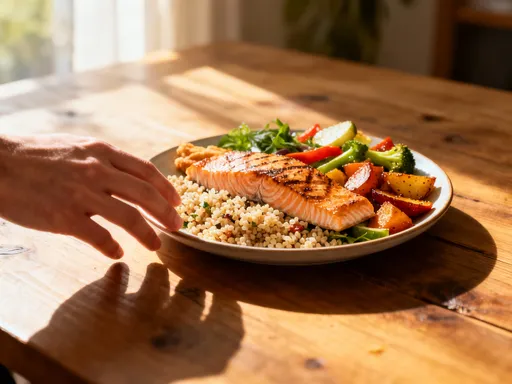
In the evening, meal composition should prioritize restful sleep and overnight recovery. Complex carbohydrates with tryptophan-containing proteins—such as turkey, chicken, or chickpeas—promote serotonin and melatonin production. Adding magnesium-rich foods like leafy greens, almonds, or avocado further supports muscle relaxation and nervous system calm. A light dinner of grilled salmon with roasted sweet potatoes and steamed broccoli combines omega-3s, slow-releasing carbs, and essential minerals—a harmonious blend that prepares the body for deep, restorative sleep. Avoiding large, spicy, or acidic meals close to bedtime prevents reflux and sleep disruption, ensuring hormonal rhythms remain undisturbed.
Real-Life Application: Building Balanced Plates Without Stress
Translating scientific principles into everyday meals doesn’t require gourmet skills or expensive ingredients. A simple, flexible framework can guide women in constructing nourishing plates without overwhelm. The “half-plate rule” offers a visual and practical approach: fill half the plate with colorful vegetables, one-quarter with quality protein, and one-quarter with complex carbohydrates, then add a small portion of healthy fat. This model ensures macronutrient balance, maximizes fiber intake, and naturally encourages diverse food combinations. It’s adaptable to any cuisine, budget, or dietary preference—whether omnivorous, vegetarian, or vegan.
Breakfast ideas include oatmeal made with milk or fortified plant milk, topped with walnuts and blueberries, providing fiber, omega-3s, and antioxidants. Lunch could feature a mixed greens salad with grilled chicken, quinoa, cherry tomatoes, cucumbers, and a lemon-tahini dressing—delivering protein, complex carbs, and healthy fats in one bowl. Dinner might consist of baked cod with brown rice and roasted Brussels sprouts, drizzled with olive oil. Snacks can be just as strategic: apple slices with almond butter, carrot sticks with hummus, or plain Greek yogurt with chia seeds and cinnamon. Each of these combinations leverages food synergy to enhance nutrient uptake and sustain energy.
Reading labels is another practical skill that prevents being misled by marketed “healthy” pairings. Many commercial yogurts, for example, are loaded with added sugars, negating the benefits of probiotics. Granola, often perceived as wholesome, frequently contains excessive sugar and unhealthy oils. Choosing plain yogurt and adding fresh fruit and a sprinkle of homemade granola ensures control over ingredients. Similarly, pre-packaged trail mixes may combine nuts with candy pieces; opting for unsweetened versions maintains the heart-healthy advantages of nuts without the metabolic drawbacks of sugar.
Nutritional needs vary across life stages, and adjusting pairings accordingly ensures ongoing relevance. Teenagers require adequate iron and calcium for growth spurts and developing bones. Pregnant women benefit from folate-rich foods like lentils paired with vitamin C for absorption, along with choline sources like eggs. Perimenopausal women should emphasize calcium-vitamin D pairing, phytoestrogen-rich foods like flaxseeds, and anti-inflammatory fats like olive oil. Tailoring meals to current life phases transforms nutrition from a static routine into a responsive, supportive practice.
Beyond the Plate: Lifestyle Synergy for Lasting Results
While food pairing is a powerful tool, its full potential is realized only when integrated with other pillars of health: sleep, hydration, movement, and stress management. These elements do not operate independently; they interact synergistically with nutrition to shape overall well-being. Chronic sleep deprivation, for example, impairs glucose metabolism and increases cortisol, undermining even the most carefully planned meals. Staying hydrated supports digestion, nutrient transport, and detoxification processes, particularly estrogen elimination through the liver. Physical activity enhances insulin sensitivity, improves circulation, and stimulates the release of endorphins—natural mood lifters that complement balanced eating.
Stress, in particular, has a profound impact on nutrient absorption and hormonal balance. When the body is under constant psychological pressure, the sympathetic nervous system remains activated, diverting resources away from digestion and toward survival functions. This “fight-or-flight” state reduces stomach acid production and slows intestinal motility, impairing the breakdown and assimilation of food. Even nutrient-dense meals may go partially unused under chronic stress. Practices such as mindful eating, deep breathing, and regular downtime help shift the body into a parasympathetic state, where digestion and absorption thrive. Taking time to chew food thoroughly and eat in a calm environment enhances the entire digestive process.
For women managing medical conditions such as PCOS, thyroid disorders, or endometriosis, professional guidance is essential. While food pairing can support symptom management, it is not a substitute for medical treatment. Consulting a registered dietitian or healthcare provider ensures that dietary changes align safely with individual health profiles. Blood tests can identify deficiencies in iron, vitamin D, or B12, guiding targeted interventions. Personalized nutrition plans take into account lab results, lifestyle factors, and personal goals, offering a holistic path forward.
Ultimately, the goal is not perfection but consistency. No single meal defines health; it’s the cumulative effect of daily choices that shapes long-term outcomes. Embracing food synergy means working with the body, not against it—honoring its complexity with thoughtful, informed nourishment. Small, sustainable changes compound over time, leading to greater energy, emotional stability, and resilience. Women don’t need extreme diets or rigid rules; they need practical wisdom grounded in science. By choosing smart pairings, they invest in a future of vitality, one balanced bite at a time.
Optimizing dietary combinations isn’t about strict rules—it’s about working with your body’s biology. For women, who face unique metabolic and hormonal challenges, food synergy offers a powerful, science-backed way to feel better from within. By choosing smart pairings, you’re not just eating healthy—you’re eating wisely.