Lost in Nicosia’s Lanes: Where Every Handmade Treasure Tells a Story
Nestled in the heart of Cyprus, Nicosia is more than just a capital—it’s a living maze of history, culture, and hidden craftsmanship. Wandering its sun-dappled streets, I stumbled upon specialty products deeply rooted in tradition: from aromatic local cheeses to hand-embroidered linens. Each find wasn’t just a purchase, but a connection. The city breathes slowly, revealing itself in quiet moments—a craftsman shaping clay under an arched doorway, the scent of rosewater rising from a folded pastry, the rustle of silk as an elder unfolds a hand-stitched tablecloth. If you’re seeking authentic souvenirs born from heritage, not factories, this journey reveals where slow travel meets soulful discovery. In Nicosia, every object carries memory, and every alley invites intimacy.
The Allure of Wandering Through a Timeless Capital
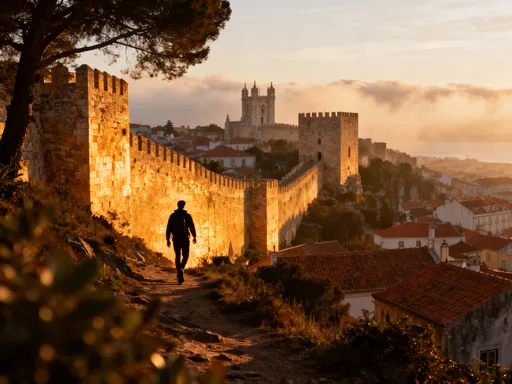
Nicosia, the last divided capital in Europe, holds a quiet dignity that unfolds only to those who walk without urgency. Encircled by 16th-century Venetian walls, the Old Town pulses with a rhythm untouched by mass tourism. Here, time slows. Sunlight filters through pomegranate trees in hidden courtyards. The air carries the faintest trace of jasmine, mingling with the scent of warm stone and aged wood. Unlike cities built for spectacle, Nicosia rewards the curious wanderer—those willing to lose themselves in its labyrinth of cobbled lanes, where every turn reveals a new layer of history.
The Famagusta Gate, once a defensive stronghold, now serves as a gentle entry point into this world. Beyond it, the streets narrow, lined with buildings that whisper stories of Ottoman governors, British administrators, and generations of Cypriot families. Facades are weathered but proud, their shutters painted in faded blues and ochres. Shops do not shout for attention; instead, they beckon with quiet authenticity—bakeries where bread is still scored by hand, apothecaries with glass jars of dried herbs, and tiny workshops where metal tools hang like forgotten relics. There is no rush, no pressure to consume. Instead, there is space—to observe, to listen, to notice.
Walking through Nicosia feels less like sightseeing and more like stepping into a living archive. Children play near fountains that have flowed for centuries. Elderly men sip coffee in shaded squares, their conversations punctuated by laughter. A woman hangs laundry between balconies, the fabric fluttering like a flag of daily life. These moments are not staged; they are simply lived. And it is in these unscripted scenes that travelers find the city’s truest offerings—not in glossy brochures, but in the texture of ordinary existence. The lesson is clear: to know Nicosia, one must wander without a map, allowing the city to guide the way.
Why Specialty Products Define Nicosia’s Cultural Identity
In Nicosia, specialty products are not mere souvenirs—they are expressions of identity, shaped by geography, climate, and centuries of cultural exchange. The island’s position at the crossroads of Europe, Asia, and Africa has made it a melting pot of flavors, techniques, and traditions. What you find in a village market or a family-run shop is not the result of industrial design, but of necessity, adaptation, and pride. These items—whether food, fabric, or pottery—are born from the land and sustained by human hands.
Take halloumi, Cyprus’s most famous cheese. It is not just a dairy product; it is a symbol of resilience. Traditionally made from a blend of goat and sheep’s milk, it is firm enough to grill without melting—a practical solution in a climate without reliable refrigeration. Each bite carries the flavor of mountain pastures, where animals graze on wild thyme and oregano. The cheese is still produced in small batches, often in rural homes where recipes have been passed down for generations. To taste authentic halloumi is to taste the island’s terrain and its people’s ingenuity.
Similarly, sun-dried tomatoes preserved in olive oil are more than a pantry staple—they are a reflection of seasonal living. Harvested in late summer, when the sun beats strongest, they are slowly dried on rooftops before being sealed in glass with local oil, garlic, and herbs. There is no hurry in their making. This method, unchanged for decades, ensures flavor concentration and longevity. These foods are not designed for global export; they are made for family tables, for sharing during long summer meals. By choosing such products, travelers do more than bring home a taste of Cyprus—they participate in the preservation of a way of life.
Following the Scent: Local Foods You Can’t Buy Anywhere Else
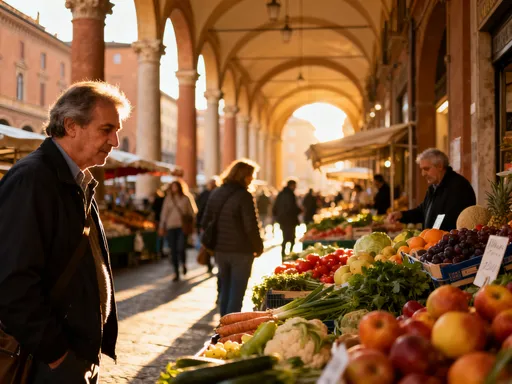
The true soul of Nicosia reveals itself in its markets, where scent leads the way. In the bustling lanes near Ledra Street and the covered Municipal Market, vendors display goods that cannot be replicated elsewhere. These are not supermarket imports but hyper-local specialties, many of which never leave the island. To follow your nose is to follow a trail of authenticity.
One such treasure is tashi, a fermented fish roe spread with a bold, briny depth. Made from gray mullet caught along the coast, it is cured with salt and aged for weeks, developing a complex umami flavor. Spread on warm bread with a drizzle of olive oil, it is a taste of the sea and time. While similar to bottarga, tashi has its own character—less waxy, more pungent—and is nearly impossible to find outside Cyprus. It is sold in small portions at family-run delis, often wrapped in paper and tied with string.
Another standout is lountza, smoked pork loin cured with coriander and wine. The meat is first brined, then air-dried and gently smoked over fruitwood, giving it a delicate sweetness. It is typically sliced thin and grilled, served with fried halloumi or tucked into fresh pita. Unlike mass-produced cold cuts, lountza has texture and soul—each bite tells of careful preparation and regional pride. Small producers in villages just outside the city still make it by hand, often using pigs raised on family farms.
Then there is carob syrup, a thick, molasses-like liquid drawn from the pods of the carob tree. Once a staple sweetener before sugar became widespread, it is now cherished for its deep, earthy flavor and nutritional benefits. Drizzled over yogurt, used in desserts, or stirred into tea, it connects modern Cypriots to their agricultural past. In Nicosia, the best syrup comes from small producers who harvest wild carobs and boil them slowly in copper kettles. It is sold in glass bottles at village kiosks and health food shops, often labeled only with the maker’s name and harvest date.
For travelers, the joy lies not just in tasting but in discovering where these foods live. A deli tucked behind the Archbishop’s Palace might carry all three. A grandmother at a weekend market may sell capers pickled in vinegar with wild mint. These are not tourist traps but real places, where locals shop and trust is built over years. Bringing these items home—packed carefully in checked luggage—means carrying a piece of Cyprus’s culinary soul.
Crafted with Care: Textiles, Ceramics, and Artisanal Makers
While food speaks to the palate, Nicosia’s crafts speak to the hands and heart. In quiet workshops and family homes, artisans keep ancient techniques alive. Their work is not made for speed or scale, but for meaning. Each stitch, each brushstroke, carries intention.
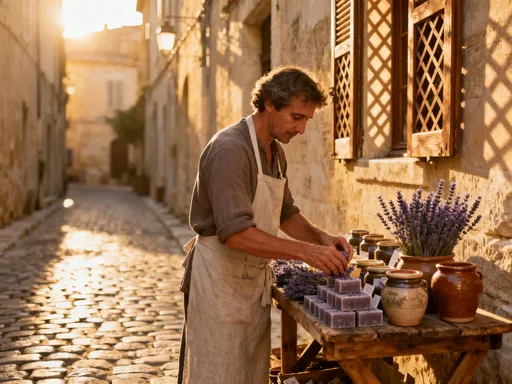
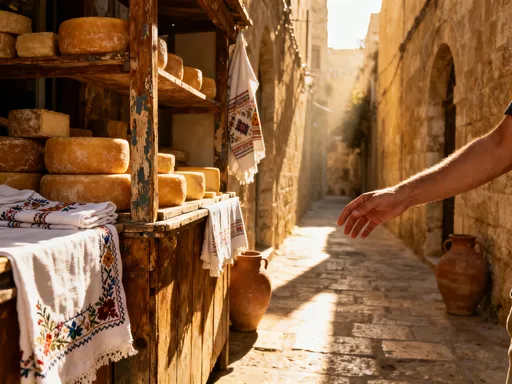
Perhaps the most celebrated textile is Lefkara lace, a delicate embroidery named after the village where it originated. Made from fine linen thread, it features intricate geometric and floral patterns, often centered around a rosette motif. The craft is traditionally passed from mother to daughter, with girls learning the needlework as children. What makes Lefkara lace unique is not just its beauty but its method: the bobbins used to twist and weave the thread have changed little in centuries. Today, small studios in Nicosia’s Old Town continue the tradition, selling table runners, napkins, and heirloom shawls. Buyers are encouraged to examine the back of the piece—true handmade lace has no knots or loose ends.
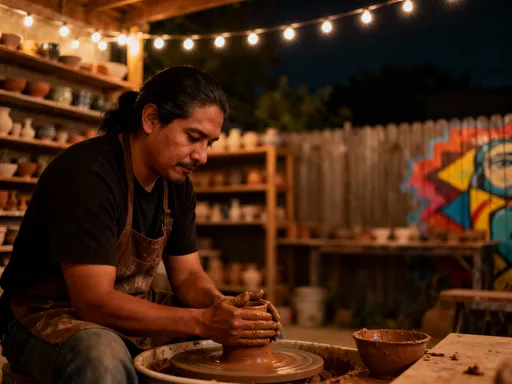
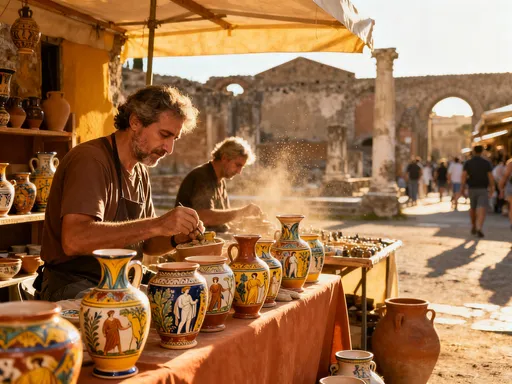
Pottery, too, remains a living art. In studios near the old city walls, potters shape vessels on kick wheels, using clay sourced from the Troodos foothills. The process is meditative: hands guiding the spinning form, feet pumping the wheel. Once shaped, the pieces are sun-dried and fired in wood-burning kilns, giving them a warmth and irregularity that factory-made ceramics lack. Glazes are often natural—iron oxide for rust red, copper for green—applied with brushes made from local plants. These pots are not merely decorative; they are functional, designed for serving food, holding water, or storing oil. To own one is to own a vessel shaped by earth and fire, made by someone who knows its purpose.
Other crafts include hand-carved olive wood utensils, woven reed baskets, and silk scarves dyed with plant extracts. These items are not displayed behind glass but used daily—proof that tradition thrives not in museums, but in homes. Visitors are often welcome to watch artisans at work, ask questions, and even try a hand at simple techniques. The experience fosters connection, turning a purchase into a shared moment. When travelers buy directly from makers, they support not just an economy, but a culture.
The Role of Family Businesses in Preserving Tradition
At the heart of Nicosia’s authenticity are family-run businesses—kitchens, workshops, and small farms where knowledge is handed down like heirlooms. These operations are not driven by profit margins but by pride and continuity. They represent a model of sustainability long before the term became fashionable: using local materials, respecting seasons, and valuing craftsmanship over convenience.
Consider the olive press. In villages surrounding Nicosia, some families have pressed olives for four or five generations. The harvest begins in late autumn, when trees are gently shaken and fruit collected in nets. The olives are brought to the press—often a stone mill powered by water or electricity—and crushed into a paste. This is then pressed to extract the oil, which is decanted and bottled while still cloudy with flavor. The process is labor-intensive, but the result is oil with a peppery finish and grassy aroma, unlike anything mass-produced. These oils are sold in unlabeled bottles at roadside stands or local markets, purchased by families who recognize the maker’s name.
Another example is the neighborhood bakery that still makes phyllo dough by hand. While most commercial kitchens use machines, this family rolls the paper-thin layers on long wooden tables, dusting them with flour and stretching them with practiced hands. The dough is used for börek, spanakopita, and other layered pastries that define Cypriot cuisine. The bakery opens before dawn, filling the street with the scent of baking butter and yeast. Customers arrive with their own containers, building relationships over years of daily visits. These small acts—buying bread, sharing news—form the fabric of community.
Tourism, when respectful, can strengthen these traditions rather than erode them. When visitors seek out family businesses, they create demand for authenticity. A grandmother may be inspired to teach her granddaughter the lace pattern she once thought outdated. A potter may invest in a new kiln because orders increase. The key is mindful engagement: asking about the process, paying fair prices, and recognizing the value of time and skill. In this way, travel becomes reciprocal—a gift exchanged between host and guest.
Navigating the Divide: Accessing Both Sides of the City
One of Nicosia’s most unique aspects is its division. Since 1974, the city has been split between the Republic of Cyprus in the south and the Turkish Cypriot-administered north, separated by the United Nations Buffer Zone, commonly known as the Green Line. For visitors, this can seem daunting, but crossing is straightforward and safe. Pedestrian checkpoints, such as the Ledra Street Crossing, are open daily, require no visa, and involve only a quick ID check. No passport is needed for tourists, making it easy to explore both sides in a single day.
Each side offers distinct cultural flavors. In the south, Greek Cypriot traditions dominate—Orthodox churches, halloumi vendors, and cafes playing traditional laiko music. In the north, Turkish Cypriot influences are evident in the spice markets, Ottoman-era mosques, and the aroma of strong coffee brewed in cezves. The differences are not in opposition but in harmony, reflecting the island’s complex yet intertwined history.
Visitors who cross gain a fuller picture of Nicosia’s identity. In the north, you might find a spice seller offering za’atar blends with wild thyme from the Kyrenia Mountains. In the south, a cheesemonger might sell tulum, a goat cheese aged in leather skins. Both are authentic, both are cherished. By exploring both sides, travelers honor the island’s blended heritage rather than reducing it to a political narrative. The message is simple: culture does not stop at a line on a map.
Respect is essential. Visitors should avoid political discussions, refrain from taking photos of military personnel, and follow local guidance. But within these boundaries, warmth and hospitality await. Shopkeepers on both sides welcome curious guests, often offering tea or a sample of their goods. These small gestures remind us that, beyond administration, people share common values—family, food, and craftsmanship.
Traveler’s Guide: How to Wander Wisely and Responsibly
To fully experience Nicosia, preparation matters. The city rewards those who move with awareness and respect. Timing is key: early mornings and late afternoons are ideal for walking. The midday sun can be intense, especially in summer, so plan indoor visits—museums, workshops, shaded cafes—during peak heat. Comfortable footwear is essential; cobblestones are charming but unforgiving, and many alleys are uneven.
Cash remains important, especially in small family shops and village stalls. While cards are accepted in hotels and larger stores, many artisans and food vendors prefer cash. Carry small bills to make transactions smoother. A simple phrase in Greek—efharistó (thank you)—or Turkish—teşekkür ederim—can open doors and warm interactions. Locals appreciate the effort, even if spoken imperfectly.
When photographing people or crafts, always ask first. A nod or a smile can be enough, but permission shows respect. Some artisans may welcome photos, seeing it as interest in their work; others may prefer privacy. Similarly, buying directly from makers ensures that your money supports the creator, not a middleman. Look for signs that say “handmade,” “family-made,” or “local producer.” Avoid imported imitations sold in tourist zones—these often lack authenticity and undercut local economies.
Consider visiting during local festivals, when traditions come alive. In autumn, villages host olive harvest celebrations. In spring, Easter brings processions, feasts, and handmade decorations. These events offer deeper insight into Cypriot life. Even outside festivals, a simple walk through a residential neighborhood can reveal daily rituals—children returning from school, elders tending gardens, neighbors sharing meals.
More Than Souvenirs—Taking Home a Piece of Nicosia
Leaving Nicosia with a jar of thyme honey, a hand-embroidered napkin, or a piece of wood-fired pottery is about more than souvenirs. It is about carrying forward stories—of resilience, of craftsmanship, of continuity. These objects are not static; they live on in kitchens, on tables, in daily use. Each time you drizzle that honey on yogurt or unfold that linen cloth, you reconnect with the place and the hands that made it.
Nicosia teaches a quiet lesson: that the deepest travel experiences are not found in grand monuments, but in human connections. It is in the eye contact with a potter, the shared silence while watching lace being made, the gratitude in a vendor’s voice when you choose their product. These moments form the invisible souvenirs—the memories that shape how we see the world.
The city, seen through its handmade treasures, becomes more than a destination. It becomes a living legacy, where tradition is not preserved behind glass but lived with purpose. To wander its lanes is to participate in that legacy, not as a spectator, but as a witness and a supporter. And in doing so, we help ensure that these stories—fragile, beautiful, and deeply human—continue to be told.