You Won’t Believe What Happens When Mombasa’s Festival Spirit Takes Over
Mombasa isn’t just sun, sand, and swaying palms—its soul pulses loudest during festival season. I went not to sightsee, but to feel the rhythm of coastal Kenya through music, dance, and street celebrations that pull you in like ocean tides. What makes these festivals so magnetic? It’s the raw authenticity—the way strangers become family in a single drumbeat. This is travel stripped of filters, where culture doesn’t perform—it lives. From the solemn echoes of spiritual processions to the electric beats of youth-driven concerts, Mombasa’s festivals offer a rare window into a living, breathing community. They are not staged for tourists but shared with openness, inviting visitors to step beyond the postcard and into the heartbeat of the city.
The Pulse of Mombasa: Where Culture Meets Celebration
Mombasa is a city shaped by centuries of convergence. Nestled along Kenya’s Indian Ocean coast, it has long served as a meeting point for Swahili traders, Arab merchants, African kingdoms, and colonial powers. This layered history is not confined to museums or ancient stone walls—it thrives in the streets, markets, and communal gatherings that define daily life. Nowhere is this more evident than during the city’s vibrant festival season, when cultural identity is not simply remembered but actively celebrated. The festivals of Mombasa are not isolated events; they are expressions of a collective memory, where music, language, and tradition are passed down through generations with pride and purpose.
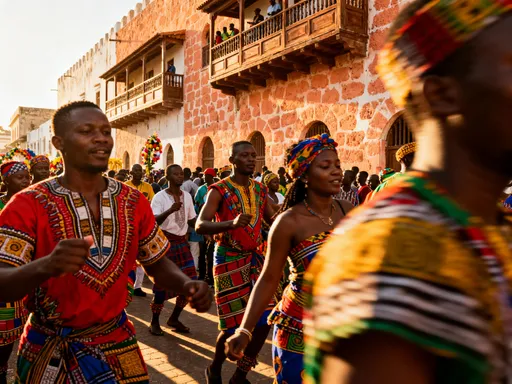
At the heart of Mombasa’s cultural expression is the Swahili way of life, a unique blend of African roots and Indian Ocean influences. Swahili, the lingua franca of the coast, carries traces of Arabic, Persian, and Portuguese, reflecting the many peoples who have lived and traded here. This linguistic richness mirrors the city’s artistic traditions—elaborate wood carvings, handwoven kikois, and intricate jewelry all tell stories of identity and craftsmanship. During festivals, these elements come alive in full force. Artisans set up stalls in public squares, elders recite poetry in rhythmic call-and-response, and drummers summon crowds with beats that seem to rise from the earth itself. It is a living archive, where history is not read but felt.
Festivals also reinforce communal values such as hospitality, respect, and intergenerational connection. In a world where digital interaction often replaces face-to-face bonds, Mombasa’s celebrations stand as a powerful reminder of what it means to belong. Whether it’s a shared meal after a religious procession or children learning traditional dances from their grandparents, the emphasis is on togetherness. These moments are not curated for cameras but unfold naturally, rooted in a deep sense of place. For travelers, this offers something increasingly rare: an authentic cultural encounter that does not rely on performance but emerges from genuine participation.
Makunda Festival: A Spiritual and Artistic Journey
One of the most profound cultural experiences in Mombasa is the annual Makunda Festival, a deeply spiritual event observed primarily by the city’s Shia Muslim community. Held during the Islamic month of Muharram, Makunda commemorates the martyrdom of Imam Hussein, a central figure in Shia tradition. While rooted in religious devotion, the festival has evolved into a rich tapestry of storytelling, music, and public procession that draws both participants and respectful visitors from across the region. What makes Makunda remarkable is its emotional depth and artistic expression—grief is not hidden but transformed into a powerful communal narrative through poetry, recitation, and symbolic reenactment.
The centerpiece of Makunda is the Ta’ziya, a dramatic reenactment of the Battle of Karbala, where Imam Hussein and his companions were martyred. These performances take place in open courtyards and community centers, often lasting several hours. Actors dressed in traditional robes embody key figures, delivering lines in Swahili and Arabic that convey sorrow, courage, and faith. The atmosphere is solemn yet deeply moving, with audiences responding in unison—weeping, chanting, or falling silent at pivotal moments. While the themes are religious, the experience transcends doctrine, offering a universal meditation on sacrifice, justice, and human resilience.
What stands out to visitors is the openness with which the community welcomes outsiders. There are no barriers to respectful observation; instead, there is an implicit understanding that witnessing such moments fosters empathy and understanding. Local organizers often provide quiet spaces for non-participants, along with brief explanations of the rituals. Many attendees, including non-Muslims, describe the event as one of the most emotionally stirring experiences they’ve had while traveling. It is not entertainment—it is remembrance, and it carries a weight that lingers long after the final drumbeat fades.
For families and travelers seeking meaningful engagement, Makunda offers a rare opportunity to witness faith in motion. Children are present in large numbers, seated beside elders who explain the significance of each scene. This intergenerational transmission of memory ensures that the festival remains vibrant and relevant. While photography is limited out of respect, the images formed in the mind—of candlelit processions, of voices rising in unison, of hands clasped in solidarity—are indelible. Makunda is not just a religious observance; it is a cultural milestone that reveals the depth of Mombasa’s spiritual and artistic soul.
Lake Obunga Festival: Youth, Music, and the New Coastal Sound
In contrast to the solemnity of Makunda, the Lake Obunga Festival represents the dynamic, evolving face of Mombasa’s cultural scene. Held near the bustling Obunga neighborhood, this modern celebration brings together young artists, musicians, DJs, and creatives from across East Africa. What began as a grassroots initiative to revitalize a neglected urban space has grown into a major cultural event, drawing thousands each year. The festival is a celebration of innovation—where traditional taarab melodies blend with Afrobeat, spoken word poetry meets graffiti art, and fashion designers showcase kanga fabrics reimagined for the runway. It is a testament to the city’s ability to honor its past while embracing the future.
At the core of Lake Obunga Festival is the belief that art can transform communities. The event features open-air concerts, dance battles, art installations, and workshops on everything from digital storytelling to sustainable fashion. Local youth lead many of these initiatives, supported by mentors and cultural organizations. For attendees, the energy is infectious—children dance barefoot on the grass, teenagers record performances on their phones, and elders nod along to rhythms that feel both new and familiar. The festival’s inclusive spirit ensures that everyone, regardless of background, can find a place within its vibrant ecosystem.
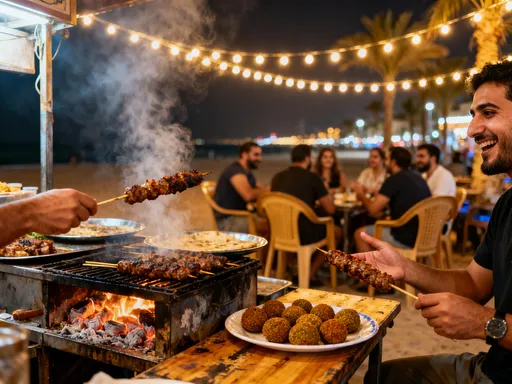
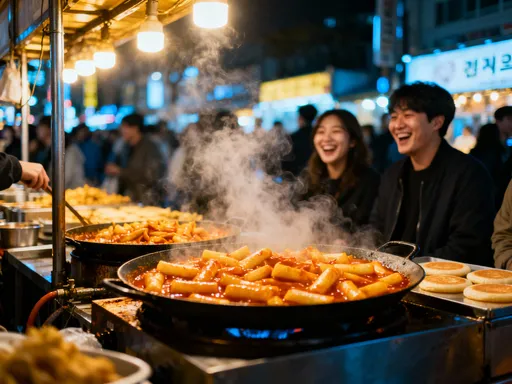
One of the most striking aspects of the festival is how it bridges tradition and modernity. Performers often incorporate Swahili proverbs into rap verses, while visual artists use recycled materials to create sculptures inspired by coastal folklore. Fashion shows feature designs that blend Zanzibari embroidery with urban streetwear, creating a distinctly Kenyan aesthetic. Even the food stalls offer a fusion of old and new—coconut chapati alongside plantain burgers, served with mango lassi in reusable cups. This synthesis is not forced; it feels organic, a natural evolution of a culture that has always absorbed outside influences while maintaining its core identity.
For travelers, especially those traveling with family, Lake Obunga Festival offers a joyful, accessible entry point into Mombasa’s creative pulse. Unlike more formal events, it encourages interaction—visitors are invited to join dance circles, try their hand at painting, or attend panel discussions on youth empowerment. The atmosphere is safe, well-organized, and family-friendly, with designated play areas and clean sanitation facilities. It is a powerful reminder that culture is not static; it grows, shifts, and reinvents itself, especially when given space to breathe.
Why Festival Timing Should Shape Your Trip
Planning a visit to Mombasa around its festival calendar can transform a standard beach holiday into a deeply immersive cultural journey. While the city is beautiful year-round, the energy shifts dramatically during festival seasons. Streets that are normally quiet come alive with color, sound, and movement. Markets expand, community centers buzz with activity, and a sense of anticipation fills the air. For travelers seeking more than relaxation, aligning their itinerary with key events ensures access to experiences that simply aren’t available during off-peak times.
Most major festivals in Mombasa follow seasonal and religious calendars. Makunda, for example, is tied to the Islamic lunar calendar, meaning its dates shift each year relative to the Gregorian calendar. It typically falls between July and September, depending on the moon’s cycle. Lake Obunga Festival, on the other hand, is held annually in December, coinciding with school holidays and the end-of-year celebrations. This timing makes it especially popular with families and young people. Other smaller events, such as the Mombasa Carnival and the Coastal Food Festival, often take place in January and February, offering a post-holiday cultural boost.
The difference between visiting during festival season and off-season is more than just schedule—it’s about atmosphere. In the quiet months, Mombasa’s charm lies in its beaches, historic sites like Fort Jesus, and relaxed coastal pace. But during festivals, the city reveals another dimension: its communal heartbeat. Hotels and guesthouses often fill quickly, and local restaurants introduce special menus. Public transport may be busier, but it’s also more vibrant, with drivers playing festival music and passengers sharing excitement about upcoming events.
For those who value experiential travel, timing is everything. A week spent in Mombasa during the Lake Obunga Festival offers not just concerts and art, but conversations with young creatives, insights into urban renewal efforts, and a sense of hope for the city’s future. Similarly, attending Makunda provides a window into spiritual traditions that shape daily life for many residents. These moments foster understanding in ways that sightseeing alone cannot. By choosing when to visit with intention, travelers gain access to a richer, more layered version of Mombasa—one that stays with them long after they return home.
Choosing the Right Festival for Your Travel Style
With a variety of festivals throughout the year, Mombasa offers something for every type of traveler. The key to a fulfilling experience lies in matching the event to your interests, comfort level, and travel goals. Whether you’re drawn to spiritual reflection, musical energy, or family-friendly activities, there’s a festival that aligns with your rhythm. Understanding the character of each event helps ensure that your participation is meaningful and respectful.
If you seek depth and introspection, Makunda is a powerful choice. This festival is not loud or flashy; it is contemplative and emotionally rich. Visitors should approach it with humility, dressing modestly and observing quietly. Photography is generally discouraged during sacred moments, and participation is limited to observation rather than performance. It is ideal for travelers who value cultural immersion and are comfortable with silence and solemnity. Many find it a deeply moving experience, even if they are not part of the faith tradition.
For those energized by music, dance, and creativity, the Lake Obunga Festival is the perfect fit. Its lively atmosphere, diverse programming, and inclusive vibe make it especially appealing to families and younger travelers. Attendees can come and go freely, engage with artists, and enjoy a range of activities without strict protocols. Dress is casual, and the mood is celebratory. This festival is ideal for those who want to see how tradition and modernity coexist in contemporary Kenya.
Other events, such as the Mombasa Carnival, offer a middle ground—colorful parades, drumming troupes, and community dances that welcome public participation. These are excellent for first-time visitors who want a taste of festival energy without deep cultural or religious context. Regardless of which event you choose, the most important factor is attitude. Approaching any festival with respect, curiosity, and a willingness to listen goes a long way. Locals appreciate genuine interest far more than perfect knowledge. When in doubt, ask quietly, observe first, and follow the lead of those around you.
Practical Tips for Festival Travelers
Attending a festival in Mombasa is a rewarding experience, but a little preparation goes a long way in ensuring comfort and safety. The first step is staying informed. Festival schedules, especially for events tied to religious calendars, can shift slightly from year to year. The best sources for updates include local radio stations, community bulletin boards, and social media pages of cultural organizations such as the Mombasa County Arts and Culture Board. Many hotels and guesthouses in tourist areas also post notices and can help guests coordinate transportation.
When it comes to accommodations, staying in neighborhoods like Tudor, Nyali, or Old Town puts you within easy reach of major festival venues. Nyali, in particular, offers a range of family-friendly hotels with reliable security and easy access to public transport. Old Town is ideal for those who want to be at the cultural heart of the city, with its narrow alleys, historic buildings, and proximity to waterfront events. Booking in advance is highly recommended, especially for December and July–September, when festival-related demand peaks.
Transportation during festival season can be busy, but it is generally safe and functional. Matatus (minibuses) and boda-bodas (motorcycle taxis) are widely available, though it’s wise to agree on fares beforehand. For families or those with mobility concerns, hiring a private driver for the day can provide flexibility and peace of mind. Walking is also a great option in compact areas like the Old Town, where festivals often close streets to traffic.
Health and safety are important considerations. Mombasa’s coastal climate is warm and humid, so staying hydrated is essential. Travelers should carry water, wear light clothing, and use sunscreen. Hats and sunglasses provide additional protection from the sun, especially during daytime events. Crowds can be dense, so keeping valuables secure and staying aware of surroundings is advised. Most festival sites now have first aid stations and volunteer stewards to assist visitors. By taking these simple precautions, travelers can focus on what matters most—enjoying the moment.
Beyond the Party: How Festivals Change the Way You See Mombasa
Festivals in Mombasa are more than celebrations—they are invitations to connection. They disrupt the routine of tourism, where sightseeing often means looking from the outside in. Instead, they offer a chance to step inside, to feel the pulse of a community that shares its joys, sorrows, and traditions with quiet confidence. This shift—from observer to participant—changes how travelers see not just the city, but themselves. It fosters empathy, deepens understanding, and creates memories that are not just seen but felt.
Many visitors describe a sense of belonging that emerges unexpectedly during these events. It might come from sharing a meal with a local family after a procession, learning a dance step from a teenager at Lake Obunga, or simply receiving a warm smile from an elder who appreciates your presence. These small moments accumulate into a larger realization: that culture is not a performance, but a way of life. When travelers engage authentically, they are not just witnessing heritage—they are contributing to its continuity.
The long-term impact of such experiences is profound. They challenge stereotypes, break down assumptions, and build bridges across cultures. A mother from Europe might return home with a new appreciation for intergenerational storytelling. A teacher from South Africa might incorporate what she learned about oral tradition into her classroom. These ripple effects extend far beyond the festival grounds, shaping how people think about community, identity, and connection.
For anyone planning a trip to Mombasa, the message is clear: seek more than the surface. Let the rhythm of the city guide you. Attend a festival not for the photos, but for the feeling—the way a drumbeat syncs with your heartbeat, the way a shared silence speaks louder than words. These are the moments that define true travel. They remind us that the world is not just a place to see, but a place to feel, to learn, and to belong. And in Mombasa, that belonging is offered freely, one festival at a time.