Punakha’s Hidden Truths: What No One Tells You Before You Go
Punakha, Bhutan—serene valleys, sacred temples, and jaw-dropping landscapes. But behind the postcard beauty lies a side most travelers miss. I went expecting peace and got culture shocks, tricky trails, and unexpected hiccups. From misleading guides to seasonal surprises, this isn’t just a travel dream. It’s real. And if you’re planning a trip, you need to know what’s actually waiting in this Himalayan paradise. This is not the glossy version sold in brochures. It’s the honest truth: Punakha rewards those who come prepared, respectful, and open to both wonder and inconvenience.
The Allure of Punakha: Why It Captivates Travelers
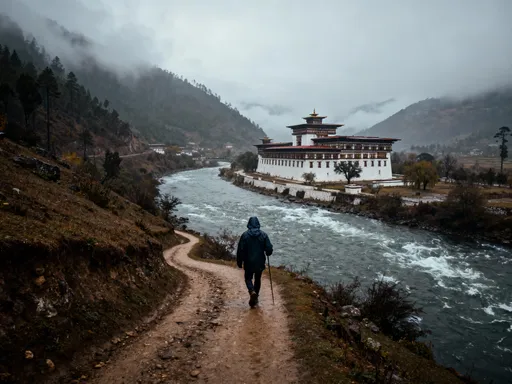
Punakha, nestled at the confluence of the Mo Chhu and Pho Chhu rivers, is often described as the heart of Bhutan’s spiritual and historical legacy. Once the ancient capital of the kingdom, it remains a place of profound significance, where centuries-old traditions thrive amid breathtaking natural beauty. The valley, surrounded by lush rice paddies and terraced hillsides, unfolds like a living painting, with the majestic Punakha Dzong rising like a fortress of serenity at its center. This grand monastery, also known as Pungtang Dewa Chhenbi Phodrang, is not just an architectural marvel; it is a living institution, housing monks and serving as the winter residence of the Dratshang Lhentshog, Bhutan’s central monk body.
What draws travelers to Punakha is more than scenery. It is the sense of timelessness. The air feels different here—thicker with devotion, quieter with purpose. Visitors walk paths worn smooth by generations of pilgrims, pass prayer wheels that hum with whispered mantras, and witness rituals that have changed little in hundreds of years. The annual Punakha Tshechu festival, with its vibrant mask dances and sacred thongdrel unveilings, is a highlight for many, offering a rare glimpse into Bhutanese Buddhist culture. Yet even outside festival season, the dzong exudes a quiet power, its whitewashed walls and golden spires glowing in the morning sun.
Beyond the dzong, Punakha offers a mosaic of experiences. The suspension bridge near Sangchhen Dorji Lhuendrup Nunnery provides panoramic views of the valley, while the Chimi Lhakhang monastery, dedicated to the “Divine Madman” Drukpa Kunley, attracts those seeking blessings for fertility. These sites, combined with the valley’s milder climate compared to the colder highlands, make Punakha a favored stop on the Bhutan circuit. But while its beauty is undeniable, it is only part of the story. The full experience requires more than admiration; it demands awareness.
The Misleading Image: When Paradise Isn’t Perfect
The image of Punakha often seen in travel magazines and social media is one of flawless tranquility: golden light, empty trails, perfectly framed dzongs, and smiling locals in traditional gho and kira. While these moments do exist, they are often captured in isolation, stripped of the realities that accompany them. The truth is that Punakha, like any living destination, is dynamic and sometimes messy. During the monsoon season, which runs from June to September, the valley transforms. What looks like a serene river in photographs can swell into a raging torrent, and the winding roads become slick with mud, prone to landslides that delay travel for hours or even days.
Another common misconception is accessibility. Many assume that because Punakha is a major tourist destination, it offers modern conveniences at every turn. In reality, infrastructure remains limited. Public restrooms are sparse, and those available may lack running water or toilet paper. Some guesthouses still rely on bucket showers, and electricity can be inconsistent in more remote areas. Internet connectivity, while improving, is often slow, especially outside main hotels. These conditions are not flaws, but reflections of a nation that prioritizes sustainability over rapid development. Yet for travelers accustomed to seamless service, they can be jarring.
Festivals, while culturally rich, also come with trade-offs. The Punakha Tshechu draws thousands, turning quiet courtyards into bustling crowds. Photography restrictions are strictly enforced inside temples, and visitors may feel frustrated when they cannot capture every moment. Some cultural performances, particularly those arranged for tourist groups, can feel staged or shortened for time. This is not a sign of inauthenticity, but rather an adaptation to demand. The key is to approach these experiences with humility, understanding that preservation often means limitation.
Logistical Challenges: Getting There and Getting Around
Reaching Punakha is an experience in itself—one that requires patience and preparation. Located about 72 kilometers from Thimphu, the journey takes between three to four hours by road, depending on conditions. The route winds through narrow mountain passes, with steep drops and sharp curves that can challenge even experienced drivers. For those prone to motion sickness, the ride can be grueling. Public buses are available and affordable, but they operate on fixed schedules and may lack comfort, especially during peak travel times. Most travelers opt for private vehicles arranged through tour operators, which offer greater flexibility but at a higher cost.
Road conditions vary significantly by season. In the dry months of March to May and October to November, the drive is generally smooth and scenic. But during the monsoon, landslides are common, and road closures can occur with little warning. In such cases, travelers may need to wait for clearance or take longer detours. While the Bhutanese government maintains roads diligently, the terrain is unforgiving, and repairs take time. Travelers should build buffer days into their itineraries, especially if they have onward flights from Paro.
Once in Punakha, getting around is manageable but limited. The dzong and main village are within walking distance for most visitors, but exploring further—such as visiting the nunnery or Chimi Lhakhang—requires transport. Bicycle rentals are available and offer a peaceful way to explore the countryside, though the terrain can be hilly. Electric scooters are not common, and ride-sharing apps do not exist. Taxis are scarce, so coordination with guides or guesthouses is essential. For those with mobility concerns, some trails may be difficult, particularly the path to Chimi Lhakhang, which involves a steep climb and uneven steps.
Cultural Pitfalls: Respecting Norms Without Feeling Restricted
Bhutan is a deeply Buddhist nation, and cultural sensitivity is not optional—it is expected. In Punakha, where religion permeates daily life, even small missteps can be noticed and remembered. One of the most common mistakes tourists make is improper attire when visiting religious sites. Shoulders and knees must be covered for both men and women. Wearing shorts, sleeveless tops, or hats inside a temple is considered disrespectful. Some visitors, eager to stay cool in the valley’s humidity, overlook this, only to be turned away or asked to cover up with provided shawls.
Photography is another sensitive area. While taking pictures of the dzong from the outside is generally allowed, photos inside the courtyards and temples are often prohibited, especially during ceremonies. Flash photography can disturb monks and damage ancient murals. Some tourists, unaware of these rules, snap photos quickly, only to be politely but firmly stopped by attendants. The same applies to touching religious artifacts, spinning prayer wheels counter-clockwise, or pointing feet toward altars—all of which are considered impolite.
Interactions with monks also require care. While many are friendly and may even engage in light conversation, they are not performers or photo props. Asking for selfies, offering money directly, or interrupting meditation is inappropriate. Children in monastic schools are especially vulnerable to the discomfort of being stared at or touched by strangers. The best approach is quiet observation, modest behavior, and asking permission before engaging. By following these norms, travelers show respect not just for rules, but for a way of life that values inner peace over external spectacle.
Overlooked Realities: Weather, Altitude, and Physical Demands
Punakha sits at approximately 1,200 meters (3,900 feet) above sea level, making it one of the lower-altitude destinations in Bhutan. This often leads travelers to assume it is easy on the body, especially compared to Thimphu or Paro, which are over 2,000 meters. However, altitude transitions still matter. Travelers arriving directly from lowland countries may experience mild symptoms such as fatigue, headaches, or shortness of breath, particularly after physical activity. While acute mountain sickness is rare in Punakha, the shift from sea level to even moderate elevation can affect some, especially older adults or those with pre-existing conditions.
The climate adds another layer of complexity. Punakha is warmer and more humid than other parts of Bhutan, with temperatures ranging from 15°C (59°F) in winter to 30°C (86°F) in summer. While this makes it pleasant for many, the humidity can be draining, especially during hikes or temple visits. Mornings may start clear, but clouds can roll in quickly, bringing sudden rain. Even in the dry season, afternoon showers are possible. Travelers should pack layers, including a lightweight rain jacket, breathable clothing, and comfortable walking shoes with good grip.
Physical demands are often underestimated. Visiting Chimi Lhakhang, for example, involves a 30-minute uphill walk on a dirt path with uneven stones. The suspension bridge near the nunnery, while scenic, can sway in the wind, which may unsettle those with a fear of heights. Temple grounds often have steps and gravel paths that are difficult for strollers or wheelchairs. Farm visits, though rewarding, may require walking through muddy fields or climbing small hills. For family travelers or those with limited mobility, planning rest breaks and choosing accessible sites is crucial. Staying hydrated, pacing oneself, and listening to the body are essential for enjoying the journey without exhaustion.
Tourism Pressures: How Popularity Affects Authenticity
As Bhutan opens slowly to international tourism, Punakha has become one of the most visited regions in the country. While tourism brings economic benefits, it also brings challenges. In recent years, souvenir stalls, small cafes, and tour kiosks have multiplied near the dzong and main bridge. While these businesses support local families, they also alter the atmosphere, turning sacred spaces into commercial zones. Some visitors report feeling pressured to buy trinkets or donate to unofficial funds, though genuine scams are rare.
Cultural performances, once reserved for religious occasions, are now sometimes adapted for tourist groups. Mask dances may be shortened, explanations simplified, and ceremonies condensed to fit schedules. While this allows visitors to experience tradition, it risks reducing deep spiritual practices to entertainment. The challenge lies in balancing accessibility with integrity. Fortunately, many local leaders and tour guides are aware of this tension and work to preserve authenticity. Some homestays, for example, offer genuine interactions—cooking meals with families, learning traditional songs, or participating in farm work—without staging for cameras.
Overcrowding during peak season, particularly during the Punakha Tshechu, can also impact the experience. The dzong courtyard, meant for quiet reflection, becomes packed with visitors, and lines form for even basic facilities. This is not a reason to avoid the festival, but a call to plan ahead. Travelers who come during shoulder seasons—late February to early April or late September to early November—often enjoy a more relaxed pace and deeper connection to the culture. By choosing less crowded times and supporting community-based tourism, visitors can help protect the very authenticity they come to see.
Smart Travel Strategies: Maximizing Your Punakha Experience
To truly appreciate Punakha, preparation is key. The best times to visit are spring (March to May) and autumn (October to November), when the weather is stable, skies are clear, and festivals often take place. These seasons offer the most comfortable conditions for travel and photography. Booking in advance is essential, especially during festival periods, as accommodations fill quickly. Opting for locally run guesthouses or certified homestays not only supports the community but often provides a more personal experience.
Choosing the right guide can make a significant difference. Licensed Bhutanese guides are trained in cultural sensitivity and environmental stewardship. A good guide will explain customs, translate when needed, and help navigate logistics without rushing the experience. Avoid unlicensed operators who may cut corners or misrepresent traditions. Travelers should also consider purchasing handmade crafts directly from artisans, whether it’s woven textiles, bamboo items, or traditional paintings. These purchases sustain local livelihoods and preserve cultural heritage.
For a more immersive experience, venture beyond the main sites. The village of Lobesa, known for its orchards and scenic views, offers peaceful walks and opportunities to meet farmers. The Punakha Wetland, home to rare bird species, is ideal for nature lovers. Early morning visits to the dzong, before crowds arrive, allow for quiet contemplation and better photo opportunities. Practicing mindfulness—putting away the phone, listening to the wind, respecting silence—can transform a sightseeing trip into a meaningful journey.
Ultimately, Punakha is not a destination to be conquered, but one to be experienced with patience and presence. It is a place where beauty and challenge coexist, where spirituality meets reality, and where every traveler has the chance to grow. By embracing both the expected and the unexpected, visitors do more than see a new place—they learn from it. And in that learning, they honor not just the land, but the people who call it home.